
Waking up hot is one thing. Waking up with damp pajamas, soaked sheets, and another interrupted night is something else. If it keeps happening, it is reasonable to want an explanation beyond turning down the thermostat.
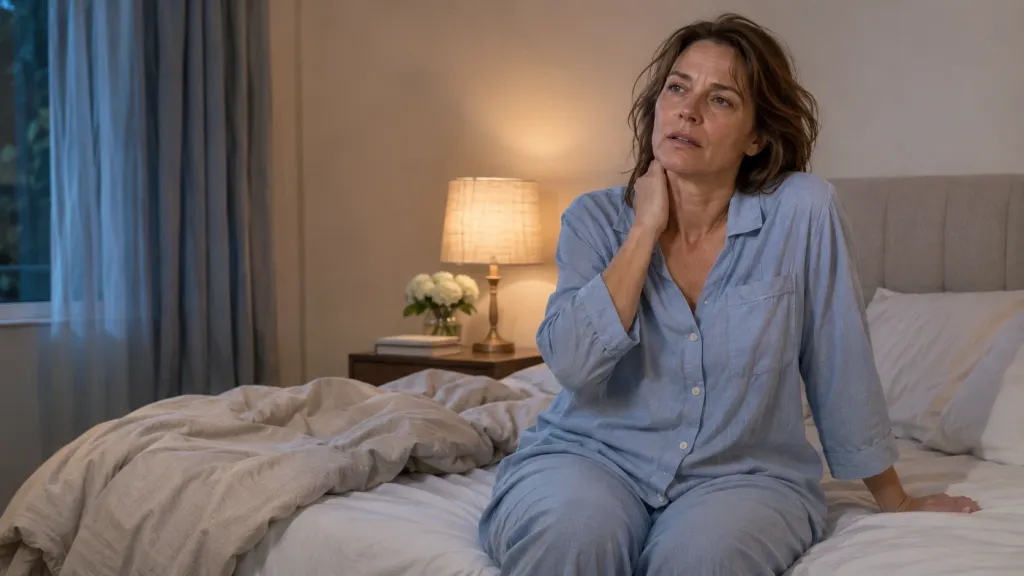
Night sweats can accompany hormonal changes, but hormones are not the only possible cause. The useful questions are when the sweating started, how often it happens, and what else has changed. Those details help separate an overheated bedroom from a symptom that deserves medical attention.
You do not have to decide what is wrong before asking for help. You do need an evaluation that considers the whole picture rather than assuming every disrupted night has the same explanation.
What counts as night sweats?
A warm room, heavy comforter, or too many layers can make anyone sweat during sleep. That is different from repeated episodes of heavy sweating despite a comfortably cool sleeping environment.
Night sweats may leave your sleepwear or bedding wet enough that you need to change them. The distinction matters because the response should match the problem: adjusting your bedroom may resolve overheating, while recurring unexplained sweating deserves a closer look.
Before your appointment, describe what actually happens. “I feel warm at bedtime” and “I wake up needing dry clothes” give your physician different information. Neither description needs to be dramatic to deserve attention.
Why hormonal changes can cause nighttime sweating
Perimenopause can begin before your periods stop
During perimenopause, hormone levels fluctuate rather than declining in a steady line. Night sweats may occur alongside daytime hot flashes, irregular periods, and changes in sleep.
Still having periods does not rule out this transition. Equally, sweating at night does not confirm it. Your age, cycle history, and accompanying symptoms help determine whether perimenopause is a reasonable explanation.
This is also why one hormone result cannot tell the entire story. The timing of symptoms and the pattern over several months may be more informative than a single reading considered on its own.
Menopause symptoms can affect sleep
Hot flashes and nighttime sweating are among the menopause-related symptoms that can make restful sleep difficult. When episodes repeatedly interrupt the night, the concern is not simply feeling uncomfortable. It is also how those interruptions affect daily life.
Tell your physician whether you are changing clothes, moving to another bed, or struggling to get back to sleep. These practical details communicate the burden more clearly than saying your symptoms are “probably normal.”
A familiar menopausal symptom still deserves attention when it becomes disruptive. And sweating that starts months or years after earlier menopause symptoms have ended should be assessed rather than automatically assigned the same cause.
Other possible causes deserve consideration
According to Cleveland Clinic, hormonal changes, medications, and infections are among the common causes of night sweats. The purpose of reviewing alternatives is to avoid overlooking an explanation that requires a different approach.
Thyroid problems
An overactive thyroid is another possible contributor to excessive sweating. A thyroid explanation should be evaluated in the context of your symptoms and medical history, not assumed from sweating alone.
If you already have a thyroid diagnosis, bring your recent results and current medication information. If you do not, your physician can determine whether thyroid testing is appropriate. Having a symptom that overlaps with thyroid disease does not mean that thyroid disease is necessarily the cause.
Medications
Some medications can contribute to nighttime sweating. A recent prescription or dose change is therefore worth mentioning, even if you take the medication for something that seems unrelated.
Bring a complete list rather than trying to identify the culprit yourself. Do not stop or change prescribed treatment without speaking with the clinician who manages it. The next step is a medication review, not an experiment with missed doses.
Illness and other health conditions
Infections and other medical conditions can also cause night sweats. Fever, an ongoing cough, unexplained weight loss, or other new symptoms make it especially important to seek evaluation.
Night sweats alone do not identify a particular illness. A list of possible causes cannot replace an examination, and a symptom search cannot establish which explanation applies to you. What matters is recognizing a persistent change and bringing the relevant details to a healthcare professional.
When should you see a doctor?
Arrange an appointment if the sweating happens repeatedly, interrupts your sleep, or remains unexplained after addressing an overly warm room or bedding.
Seek prompt medical advice if you also have:
- Unexplained weight loss.
- Fever or recurrent chills.
- A persistent cough.
- New pain or other concerning symptoms.
Do not wait for symptoms to become severe before discussing them. Likewise, do not assume that being in your 40s or 50s makes every episode hormonal. Age provides context; it does not replace evaluation.
If you are feeling acutely unwell, contact an appropriate medical service rather than waiting for a routine discovery call.
What to track before your appointment
A brief record can make the conversation more useful. You do not need an elaborate spreadsheet or weeks of perfect notes. Start with the information you can reliably describe:
- Frequency: Does it happen occasionally, several nights a week, or every night?
- Severity: Are you slightly damp, or changing clothing and bedding?
- Timing: When did it begin, and was there a medication change or illness around that time?
- Sleep environment: Does it still happen with lighter bedding and a cooler bedroom?
- Other changes: Have your periods, daytime symptoms, weight, or general health changed?
Also bring existing lab results and a list of medications and supplements. The aim is to give your physician a useful starting point without deciding in advance which diagnosis the information should support.
What a thoughtful evaluation looks like
At Dramov Naturopathic Medical Center, care begins with an in-depth initial visit that reviews your medical history, existing laboratory results, nutrition, and lifestyle. That context helps guide an individualized assessment.
For nighttime sweating, the central question is what best explains your particular pattern. Hormonal symptoms may warrant one line of investigation; symptoms suggesting another medical problem may require a different evaluation.
Testing should answer a clinical question. It should not be treated as a substitute for listening, or as proof that every person with night sweats needs the same panel. Your symptoms and history belong alongside your results.
Treatment should follow the cause
There is no single treatment that makes sense for everyone who wakes up sweating.
When menopause is the explanation, hormone therapy for menopause symptoms may be an option for appropriate patients. The decision involves weighing potential benefits and risks against your health history and preferences. Treatment also requires follow-up; it is not simply a matter of selecting a hormone and leaving the plan unchanged.
Hormone therapy is not right for everyone, and nonhormonal approaches are also available. If medication or another condition is contributing, the plan needs to address that explanation.
While you are arranging an evaluation, lighter bedding, breathable sleepwear, and a cooler room may improve comfort. These measures are reasonable starting points, but persistent sweating should not be dismissed because you have found a way to tolerate it.
Get a clearer explanation for disrupted nights
You should not have to guess whether recurring night sweats are hormonal, medication-related, or part of another health concern. Understanding the pattern is the first step toward choosing appropriate care.
Dramov Naturopathic Medical Center sees patients at two clinics, one in Arizona and one in Oregon. If you would like to discuss your symptoms and whether our practice is a fit, schedule a complimentary discovery call.
This article is for educational purposes and is not a substitute for individualized medical diagnosis or treatment. Do not start, stop, or change prescribed medication without consulting your healthcare provider.
Frequently asked questions
Are night sweats the same as hot flashes?
They are closely related but not identical. A hot flash is a sudden wave of heat, often felt most in the face, neck, and chest, and it can happen during the day or at night. When one happens during sleep and leads to heavy sweating, it is often described as a night sweat. Not every night sweat comes from a hot flash, though. Infections, medications, and other conditions can cause heavy sweating during sleep without that typical wave of heat.
Can men get night sweats?
Yes. Many of the possible causes, including infections, medications, thyroid problems, sleep disorders, anxiety, and alcohol, affect men and women alike. In men, a significant drop in testosterone can sometimes be associated with hot flashes and sweating. Recurring night sweats in men deserve the same careful evaluation as they do in women.
Can stress, anxiety, or alcohol cause night sweats?
They can. Anxiety, panic attacks, ongoing stress, and alcohol are all recognized triggers of sweating during sleep, and spicy foods or caffeine can make sweating worse for some people. If your night sweats tend to follow evenings with alcohol or stretches of high stress, include that in your notes. It is useful context, but it does not rule out other causes.
Can night sweats happen before a period or after pregnancy?
Yes. Hormone levels shift substantially during pregnancy, and sweating can continue for a few weeks after childbirth while hormones settle. Some women also notice night sweats in the days before their period, when estrogen drops, although this is less common. Sweating that continues well beyond these windows, or that comes with other symptoms, should be checked.
Can sleep apnea cause night sweats?
It can. Sleep apnea, a condition in which breathing repeatedly pauses during sleep, is one of the sleep disorders linked to night sweats. Loud snoring, gasping or choking during sleep, morning headaches, and daytime sleepiness are all worth mentioning to your physician, because sleep apnea is diagnosed with a sleep study rather than with hormone or thyroid testing.
Can a vitamin deficiency cause night sweats?
A nutritional deficiency alone rarely causes night sweats. There is some evidence linking vitamin B12 deficiency to them, but it is not a common explanation, and falling estrogen around menopause is a far more frequent cause. If you have other signs of low B12 or a reason to be at risk, such as a restricted diet, certain long-term medications, or a digestive condition that affects absorption, your physician can decide whether testing makes sense.